
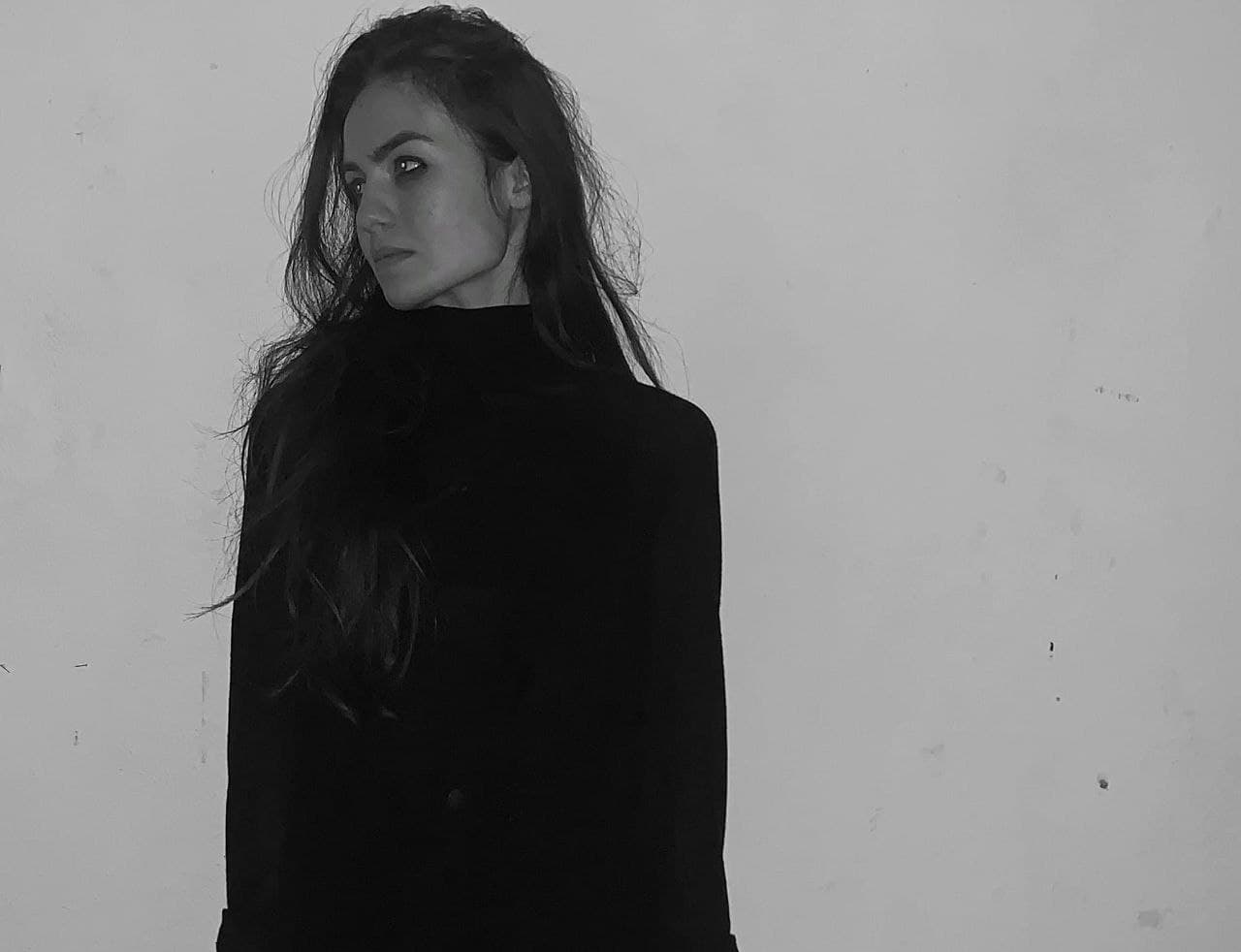
While people’s life has stopped, construction and production continues.
Sophia Esakova
During the pandemic I became more more obsessed with tactility and materiality of objects than ever. Digital spaces are undeniably no replacement for live exhibitions for me. Being in lockdown because of the coronavirus is numbing, frightening, frustrating. It makes me feel vulnerable and powerless. During these uncertain times I started to think more about globalization, construction and anthropocene. While people’s life has stopped, construction and production continues.The first two months I did not see anyone and was able to devote more time to the implementation of my ideas. An amazing experience during the quarantine was also defending diplomas online It was a lot of stress for everyone.
#365daysafter art project
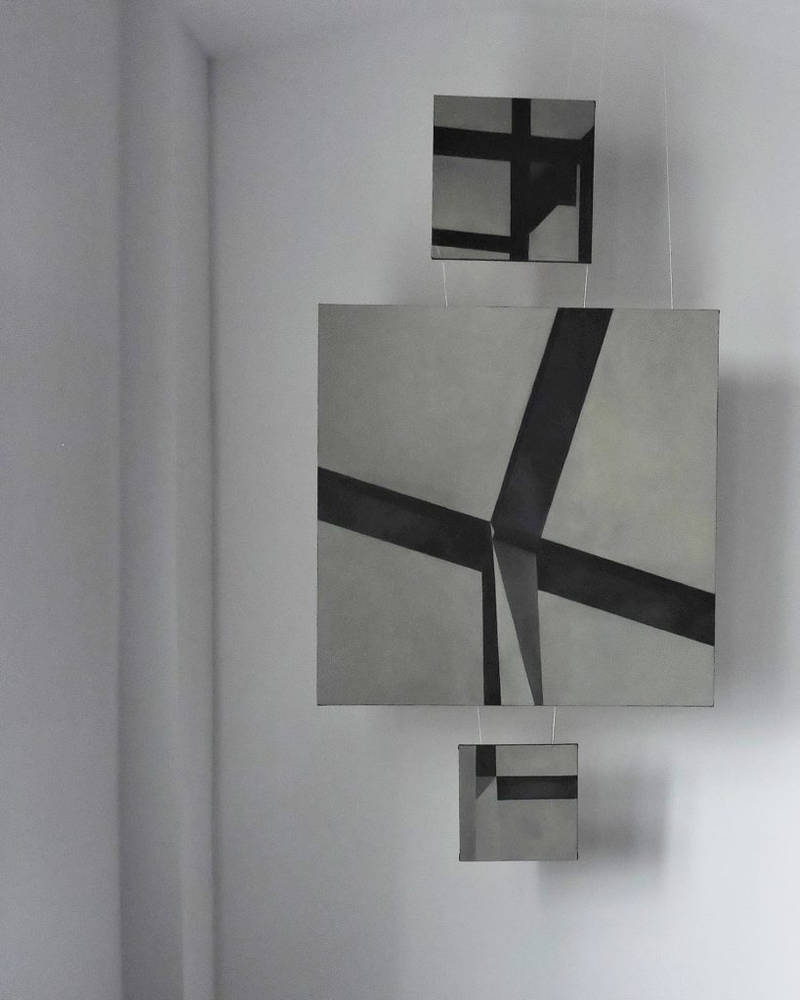
We, like parasites, adapt the planet to our species and rapidly capture its space. Steel beams, fragments of which are depicted by the artist, are the basis of our post-industrial world. In their artificial, austere beauty, it is an attempt to stop for a moment the relentless movement of capitalist construction.
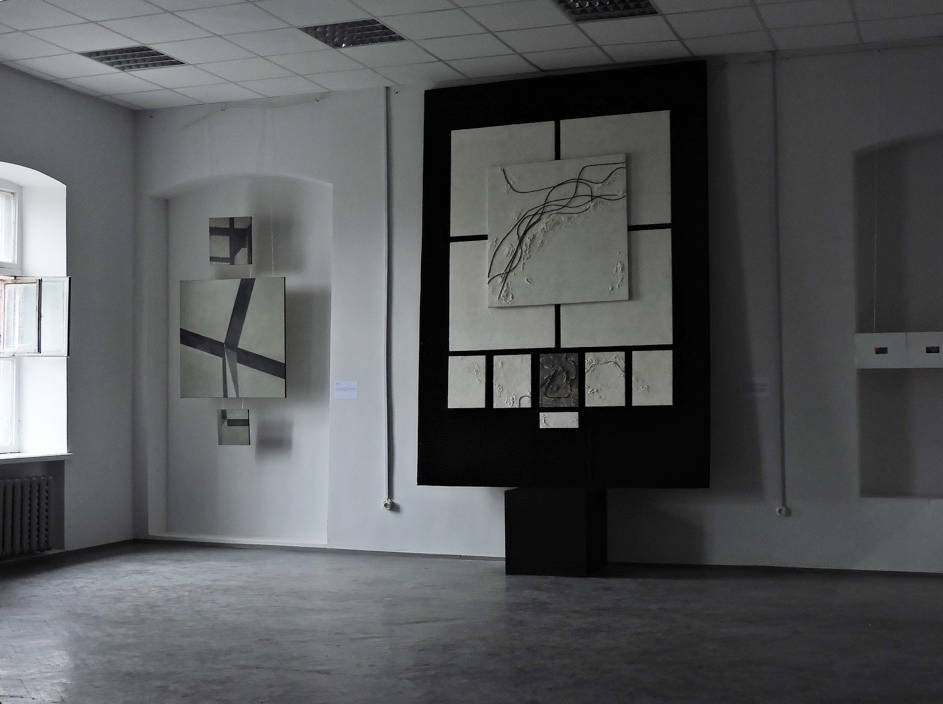
Sofia’s work, which seems to be a cartographic model of the terrain, refers to the largest environmental disaster in Europe after Chernobyl, which occurred in 2000 near the Romanian city of Baia Mare. At that time, the water of the Danube were poisoned by large amount of cyanide, the source of which caused improper storage of gold mining waste. This catastrophe destroyed almost all living things and for a long time made the water of rivers unfit for life. The colour of water became red-rusty because of high heavy metals concentration. At work, Sophia’s rivers turn into medical tubes of the same color, as if filled with blood. The artist emphasizes almost bodily suffering of nature, the polish of all living things, the demolition of the continuous flow of production.